Triangle Strategy in 2026: First-Person Tips for Conviction, Exploration, and Combat
This Triangle Strategy beginner guide explains the Conviction system and Political Intelligence to help you plan Serenoa's path and battles.
I’ve been revisiting Triangle Strategy in 2026, and my latest campaign through Norzelia reminded me that this tactical JRPG still refuses to coddle its players. The diplomatic deliberations are tense, the battlefields punish careless positioning, and the hidden Conviction system quietly shapes everything from companion recruitment to route availability. In this first-person guide, I’ll share the lessons I wish I’d internalized earlier: pick a personality for Serenoa Wolffort, explore every stage for Political Intelligence, and use the Encampment and battlefield sacrifices with purpose.
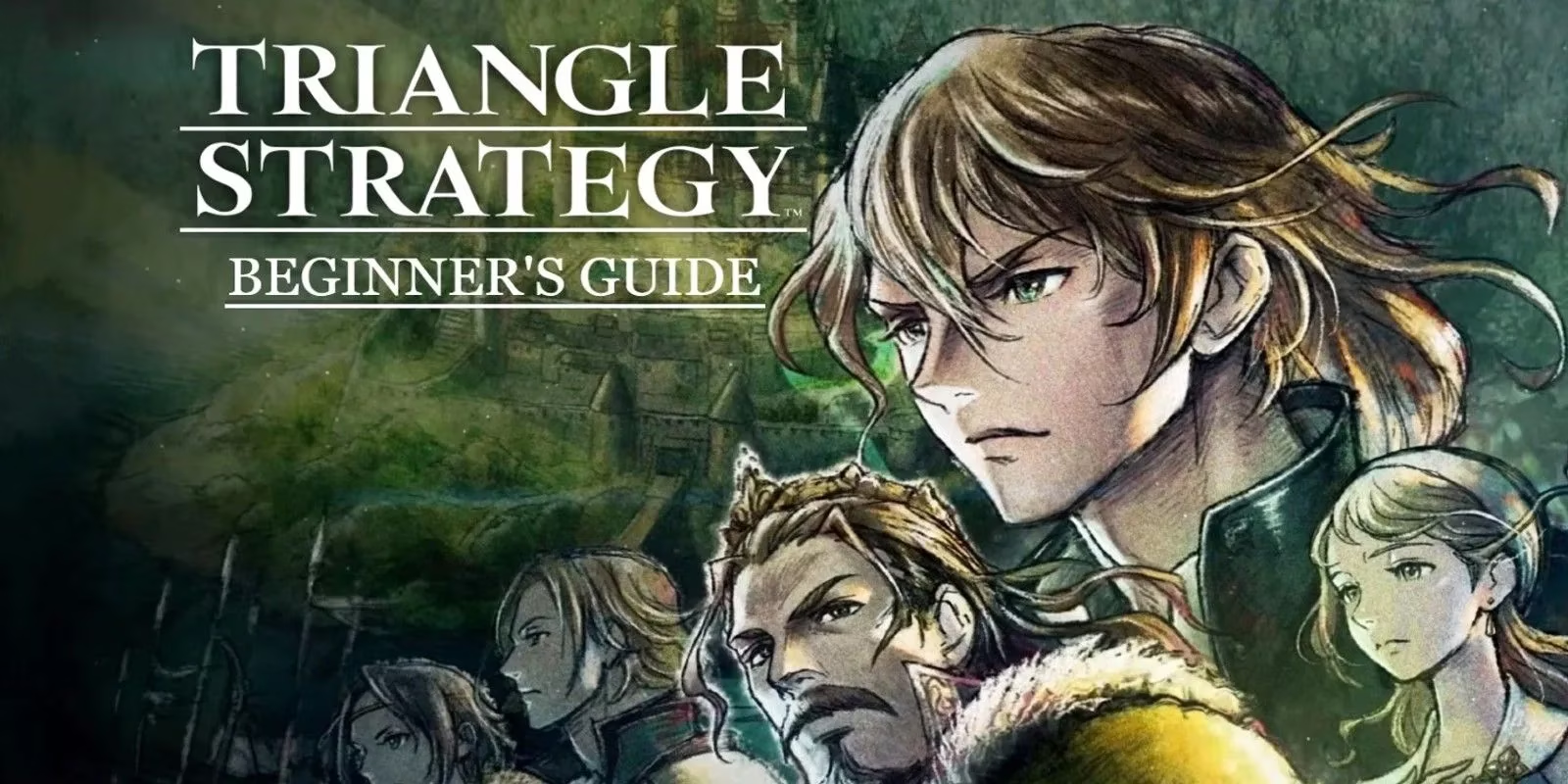
Conviction Is a Hidden Compass, So Pick a Personality Early
When I first played Triangle Strategy, I treated the Conviction system like background flavor. That was a mistake. Conviction is an internal record of the personality I’ve built for Lord Serenoa Wolffort, and it is split into three stats: Utility, Morality, and Liberty. The points I accumulate in these areas determine which companions and which narrative routes become available as the story unfolds. Because the game does not show me exactly how my actions affect those convictions, nor the total points in each category, I’ve found it far more satisfying to choose a defined personality for each playthrough.
My advice is simple: focus on two of the three stats early and let that focus guide your diplomatic choices. 🎯
| Conviction Stat | What I Focus On | Why It Matters |
|---|---|---|
| Utility | Pragmatic alliances and calculated decisions | Shapes access to certain companions and story paths |
| Morality | Compassionate choices and community-minded outcomes | Supports a more idealistic route through Norzelia |
| Liberty | Independence and freedom-oriented decisions | Opens a different set of narrative possibilities |
By committing to two stats, I stopped second-guessing every dialogue option and started playing a coherent role. That made the tough diplomatic decisions feel meaningful rather than random.
Exploration Stages Are Not Filler—They Are Political Intelligence
A full playthrough of Triangle Strategy can last 40–60 hours, and I understand why impatient players might want to skip Exploration Stages. I’ve been tempted myself when I was eager to get back to combat. But those stages are where I gather Political Intelligence. Some NPC conversations affect my Conviction stats, and others unlock Political Intelligence that creates new options later in the journey. 🗺️
So I now treat every Exploration Stage as a necessary reconnaissance phase. I talk to everyone, revisit areas, and pay attention to seemingly minor conversations. The payoff is not always immediate, but it shows up when a later decision offers me a choice I would not have had otherwise. For players who care about the lore of Norzelia as much as the combat, this is where the world feels richest.
Combat Tips: Use the Encampment, Respect Unit Strengths, and Sacrifice When It Helps
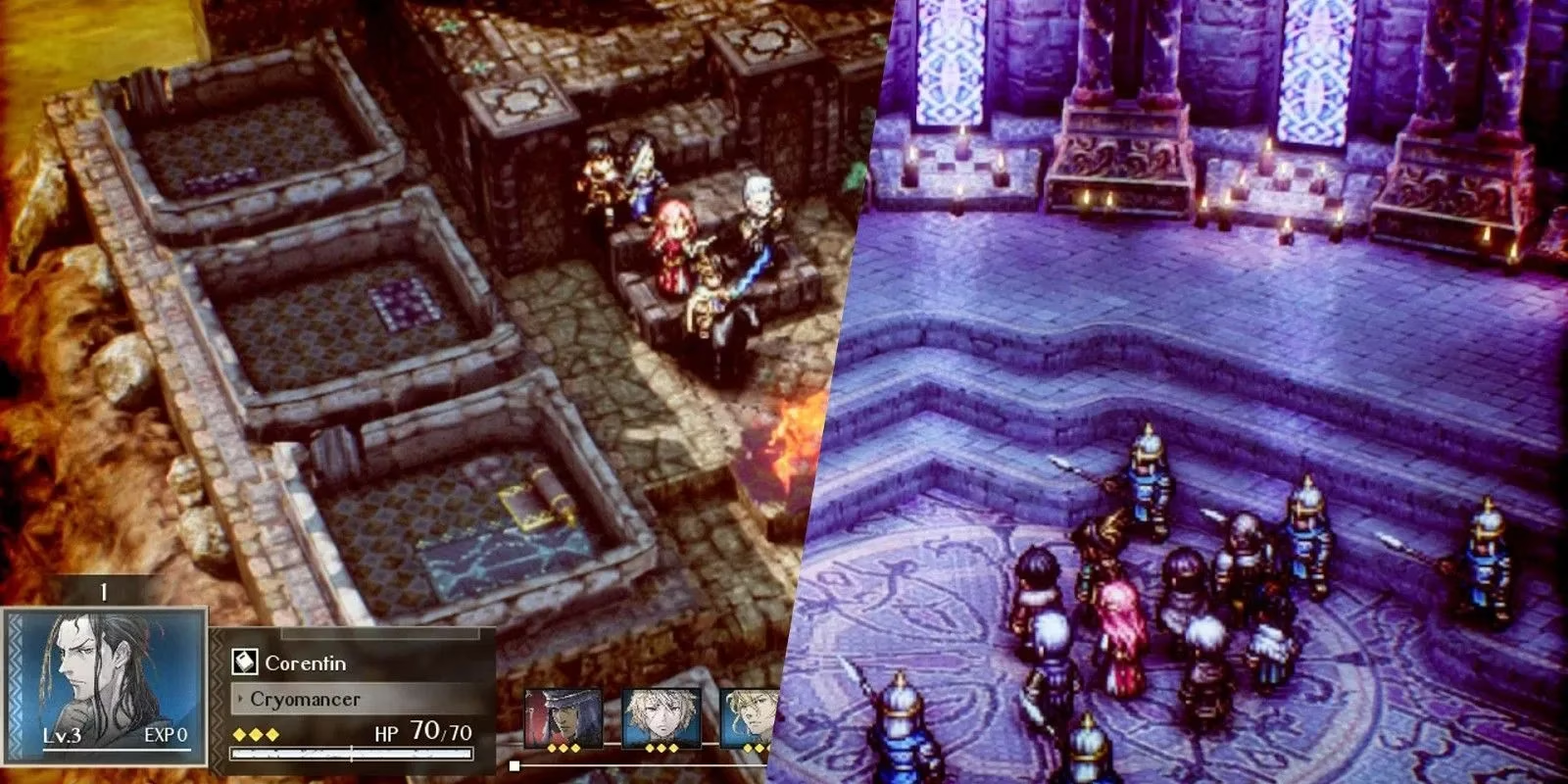
Once preparations are complete, the battlefield becomes a puzzle of positioning, timing, and resource management. As I progressed, I unlocked more Encampment resources to strengthen my units. The Tavern became one of my most important stops because I could speak with the Bartender and initiate Mock Battles. These are incredibly efficient for gaining levels, materials, and kudos. Whenever I wanted to increase the capacity of my troops, Mock Battles gave me what I needed without risking a story battle.
In actual combat, I focus on understanding each unit’s strengths. When I acquire a new unit, the game gives me a quick tip about what that unit does well. Instead of trying to patch every weakness, I prioritize upgrades and tactics that amplify those strengths. Triangle Strategy rewards me for placing units in positions where they can capitalize on their best traits. ⚔️
One detail I appreciate in 2026 is that Triangle Strategy does not use perma-death for units that fall in battle. That changes how I approach tough fights. If sacrificing a powerful unit creates a tactical advantage and the loss is not part of the failure conditions, I’m willing to make that trade because the unit returns in the next battle. It feels ruthless, but it is often the smart play.
With focused diplomacy, thorough exploration, and disciplined combat tactics, Serenoa Wolffort’s journey remains one of the most rewarding tactical RPG experiences I’ve had. In 2026, Triangle Strategy is still available for the Nintendo Switch and still worth the commitment for players who enjoy political intrigue and grid-based battles. 🎮